From Oil to Food Prices: How the US-Israel-Iran Conflict Is Driving Global Inflation
Around the globe, people are beginning to realize that their day-to-day expenses are increasing in subtle but alarming ways. A trip to the grocery store now costs more than it did last week. It has also become more expensive to fill a car’s fuel tank. Small price changes may seem minor at first, but they are part of a much larger global economic shift.
The world oil markets have been extremely volatile since the conflict between the United States, Israel, and Iran intensified on February 28, 2026. Brent crude oil rose from about $67 per barrel to over $100 per barrel, and a few of the trading sessions went as high as $120 per barrel. Markets remain unstable, even with the emergency response that saw the release of strategic oil reserves, because traders fear a lack of supply and the rising tension in the Middle East.
When oil prices increase at such a rapid rate, their impact is felt in many areas beyond the energy industry. Higher oil prices increase transportation costs, which in turn raise the cost of moving goods through global supply chains. Businesses then pass those costs on to consumers, thereby driving up the prices of food, electricity, and daily necessities.
What started as a local military conflict has already begun to cause economic repercussions worldwide. Households from North America and Europe to Asia and Africa are already experiencing the first stages of inflation caused by the US-Israel-Iran war.
The Spark: Understanding the US-Israel-Iran War
The roots of the conflict go back many years. These tensions are primarily linked to Iran’s nuclear ambitions, its influence in the Middle East through regional allies, and its enmity with Israel and the United States.
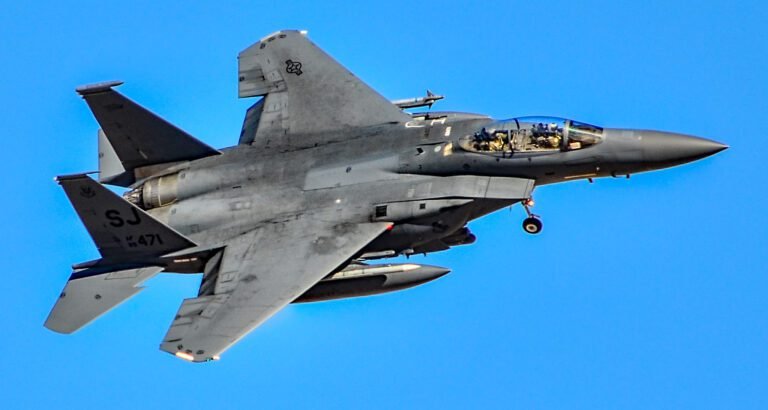
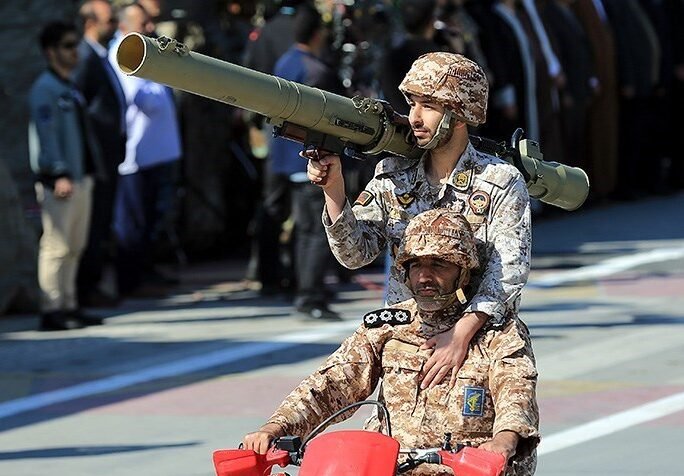
The recent intensification started on February 28, 2026, when US and Israeli forces launched coordinated attacks on Iranian military bases and nuclear facilities. Iran quickly responded by launching missiles at Israeli cities, such as Tel Aviv and Haifa. It also targeted shipping routes and threatened to block the key Strait of Hormuz.
However, the leaders on both sides have portrayed the war very differently. US president |Donald Trump declared that the military operation was necessary for global security. On Truth Social, he wrote that global peace and security were a little price to pay due to high oil prices.
Conversely, the Iranian president, Masoud Pezeshkian, had strict terms for a ceasefire. He argued that Iran requires concessions on its rights, compensation for damages, and assurances from the international community in the event of future attacks.
The civilian casualties of the war are increasing. Reports have indicated that there have been more than 1,200 deaths in Iran, most of which were of civilians, and also in Lebanon and other areas where the conflict has taken place.
The financial impact of the war can extend far beyond the battle zone.
The Strategic Chokepoint: Why the Strait of Hormuz Matters
Disruptions in the Strait of Hormuz have created one of the largest economic shocks. This narrow water way between Iran and Oman is one of the world most important energy supply routes. About 20 percent of the world’s oil passes through it each day, along with natural gas in liquid form.
The war has caused Iranian regime threats and attacks on commercial tankers, which have caused many ships to avoid the area. This is because some shipping routes are closed, and others face high security risks and soaring insurance costs. Markets react quickly when a significant portion of the world’s energy supplies is at risk. This is what has been the case since the onset of the war.
Oil Prices and Worldwide Inflation
This economic problem is centered on oil, which continues to keep markets unstable even after the International Energy Agency coordinated measures to release some 400 million barrels from emergency reserves.
This instability is largely due to infrastructure damage, shipping disruptions, and geopolitical uncertainty, which cause traders to be concerned about future supply. The impact was felt rapidly in the international economy.
Transportation Costs
Also, the higher crude oil prices imply higher fuel costs for trucks, ships, and airplanes. The US has been experiencing high diesel prices, which have forced logistics companies to raise their service charges. Large shipping firms have already increased freight rates, so it now costs businesses more to transport merchandise. At some point, these expenses are passed on to consumers.
Rising Food Prices
Energy markets are also closely related to agriculture. The production of fertilizers relies on natural gas and global supply chains, most of which pass through Middle Eastern trade routes.
As fertilizer prices have risen just before the Northern Hemisphere planting season, farmers’ production costs are increasing. That may translate into higher costs for wheat, rice, and corn in the future.
There crops are used as livestock feed, meaning price increases spread throughout the food system.
Consumer Goods and Everyday Essentials
The increase in prices of perishable foods like vegetables, meat, and dairy is usually seen at the beginning, because they move faster through supply chains.
The non-perishable products generally arrive later as current stock is depleted, and companies adapt to rising production and shipping costs.
Gasoline prices have already soared in the United States by an average of 50 cents per gallon in a matter of days, according to market tracking services. Analysts caution that prices may soon be close to levels seen during the energy shock triggered by Russia’s 2022 invasion of Ukraine.
Regional Ripples: How Different Parts of the World Are Affected
It is a global economic shock whose effects vary by region.
United States: Pressure at the Pump
Consumers in America experience the effects of rising oil prices quickly by paying more for gasoline. Fuel prices have increased sharply since the conflict began, raising concerns about the general cost of living. Political pressure increases as prices rise, since voters respond to them. The situation is made harder by the fact that many households are experiencing higher fuel prices alongside high housing and food prices.
Europe: Renewed Energy Concerns
European economies are yet to recover from the energy problems caused by the Russia-Ukraine war. The ongoing war has introduced new issues with energy supply. Increased heating and electricity bills in Europe will slow economic growth due to higher oil and natural gas prices.
Asia: Supply Challenges
Energy imports are important in nations such as China, Japan, India, and South Korea. Any interruption in the supply in the Middle East compels them to seek alternative sources. Other governments are opting to buy discounted oil from Russia or other suppliers, whilst others are developing emergency strategies to manage energy use. Poorer nations of the region have even more problems. The increasing fuel prices may require governments to reduce subsidies or introduce tough budgetary controls.
Africa and Emerging Markets
Most African and other developing economies depend on imported fuel and food. Increases in global energy prices, transportation costs, and the depreciation of local currencies cause these. This often contributes to rising food prices. In already economically challenged countries, sustained energy price hikes may strain budgets and cause social instability.
Expert Insights: What Economists Are Saying
Economists warn that energy price shocks rarely remain limited to fuel markets. The pressure from increased production costs may strain already operating businesses with slim profit margins. Companies may, in turn, respond by increasing prices, cutting products, or even laying off workers.
Analysts note that the length of the war will greatly affect the extent of economic destruction. Prices will stabilize slowly, provided the shipping routes are opened soon, and market confidence is restored. But in the event of a prolonged war, global supply shocks may be a long-lasting process that will raise energy prices for many months or even years.
What Happens Next?
The global economy may be influenced by several possible scenarios that may affect it in the future:
- Rapid De-escalation: In case diplomatic talks or military breakthroughs are made to reopen shipping routes through the Strait of Hormuz, the oil prices would tend to decline slowly as the supply will stabilize.
- Prolonged Conflict: If there are continued tensions and the energy infrastructure is still in danger, the oil prices may go up drastically. There have also been warnings from some analysts that extreme situations could drive crude oil to $200 per barrel.
- Another possibility is that the conflict could expand into a wider regional war by regional actors or a cyberattack to disrupt energy infrastructure, further destabilizing international markets.
Currently, analysts are closely monitoring tanker traffic, diplomacy, and state military developments to determine where the situation may go next.
Conclusion: A Reminder of Global Interconnection
The war between the US, Israel, and Iran is an illustration of how interconnected the modern world has become. A military conflict thousands of miles away can easily affect the prices of fuel, food, and other daily commodities for people around the world. As oil prices rise, transportation costs increase, raising the prices of products people use in their day-to-day lives.
As leaders discuss strategies and diplomacy, ordinary households have already realized the financial impact. To most people, the war is not merely a news item. It is paying more at the gas station, going to stores with higher grocery prices, and worrying about prices later.
In such an interconnected global economy, we can hardly keep conflicts so distant without soon finding them in our lives.
About The Author