Introduction
The Israel-Hamas crisis is one of the major crises that is currently shaping global headlines today. It all started with the deep-rooted issues related to history, land, and identity struggles in the Middle East. This crisis has been ongoing for many years and continues to provoke violence, humanitarian disasters, and international debate.
It can be dated as far as 1948, when the establishment of the State of Israel caused the displacement of more than 700,000 Palestinians in what is referred to as the Nakba, a calamity that triggered a series of revolts and hatred.
By 1987, amid the rush of the First Intifada, a third actor appeared on the scene, Hamas, an organization that combined armed struggle with welfare work, whose emergence transformed Palestinian politics and the course of the battle.
The Israel-Hamas crisis includes the blockade of Gaza and ongoing violence. This crisis shows deep-seated anger in the Middle East. But how did it start, and why is it so hard to achieve peace?
This article explores the history of the crisis between Israel and Hamas. It looks at the Nakba of 1948, the rise of Hamas, and what happened afterward. Learn about the key events that led to this clash and the number of people affected. Dive into this complex story and stay informed about the situation.
The 1948 Nakba: The Spark of Crisis
The origin of the Israel-Hamas crisis can be traced back to an event in 1948 when the Nakba, which means disaster in Arabic, took place. The defining moment transformed the Middle East into a region based on decades of tension, displacement, and armed resistance, as witnessed.
The UN Plan and Israel’s Birth
In 1947, the UN came up with Resolution 181, a plan to divide British-controlled Palestine into Jewish and Arab states. At the same time, the Jewish leaders were wholeheartedly behind the plan, as it was the way to statehood. It was rejected by Arab leaders, who were afraid to lose their ancestral land.
Nevertheless, Israel became an independent state on May 14. This audacious action created the Arab-Israeli War as the neighbouring countries launched attacks on the state of Israel. The battle preconditioned the tragedy of the Israel-Hamas crisis we see today.
The Nakba’s Devastation
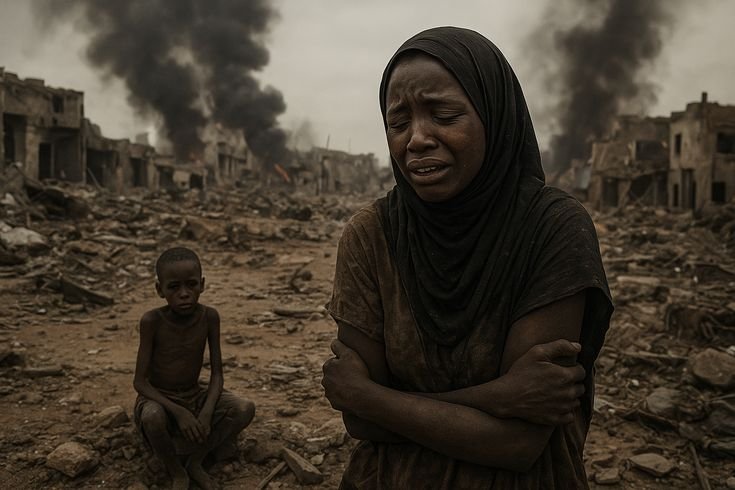
Because of this war, many Palestinians were devastated. Over 700,000 people were forced to leave their villages in what is known as the 1948 Nakba. Entire villages were destroyed, and families were scattered to Gaza, the West Bank, Jordan, and other places around the world.
This migration left a lasting mark. The loss of homes and homeland caused deep frustration and a strong wish to return. The Nakba became a powerful trauma that has echoed through generations among Palestinians.
A Deep and Lasting Divide
The Nakba had severe effects. Refugees faced poor conditions in camps, with limited job opportunities and access to resources. This suffering led to feelings of grievance, which in turn helped groups like Hamas gain power.
Meanwhile, Israel created its state based on the outcome of the war, seeing it as essential for survival after centuries of persecution and the Holocaust (mass murdering of the Jews) resulted in the Jews fleeing Eastern Europe and mass migrating into the Palestine Region into a land they believe to be their biblical ancestral home. The Palestinian defeat against the Israeli state created a crisis that is central to the Israel-Hamas crisis.
The Nakba’s Enduring Legacy
Also, millions of Palestinian refugees and their descendants are still seeking justice to this day. Meanwhile, Israel protects its borders, which it views as vital for its survival. The Nakba is a key issue that has led to an ongoing crisis in Gaza and the West Bank.
The Nakba is important to understand the Israel-Hamas crisis. It is not just a historical event; it has fueled resistance and militancy. This painful chapter is crucial for grasping the current situation.
Palestinian Resistance Takes Shape
The history of Palestinian resistance began as a response to the trauma of the Nakba in 1948. It is closely tied to the ongoing Israel-Hamas crisis. Displacement, years of exile, and military occupation led to efforts to reclaim lost land and identity. These movements changed the political landscape and set the stage for future conflicts.
The Rise of the PLO
Meanwhile, the Palestine Liberation Organisation (PLO) was established in 1964 to represent the needs of the Palestinian people. Led by Yasser Arafat and the Fatah group, the PLO called for an independent state for Palestinians living around the world.
Initially, the PLO focused on diplomacy but took a more confrontational approach, including guerrilla tactics targeting Israeli occupation, carrying out attacks in Jordan and Lebanon. These actions contributed to the deepening conflict between Israel and Hamas and made the situation in the region more intense.
The First Intifada Erupts
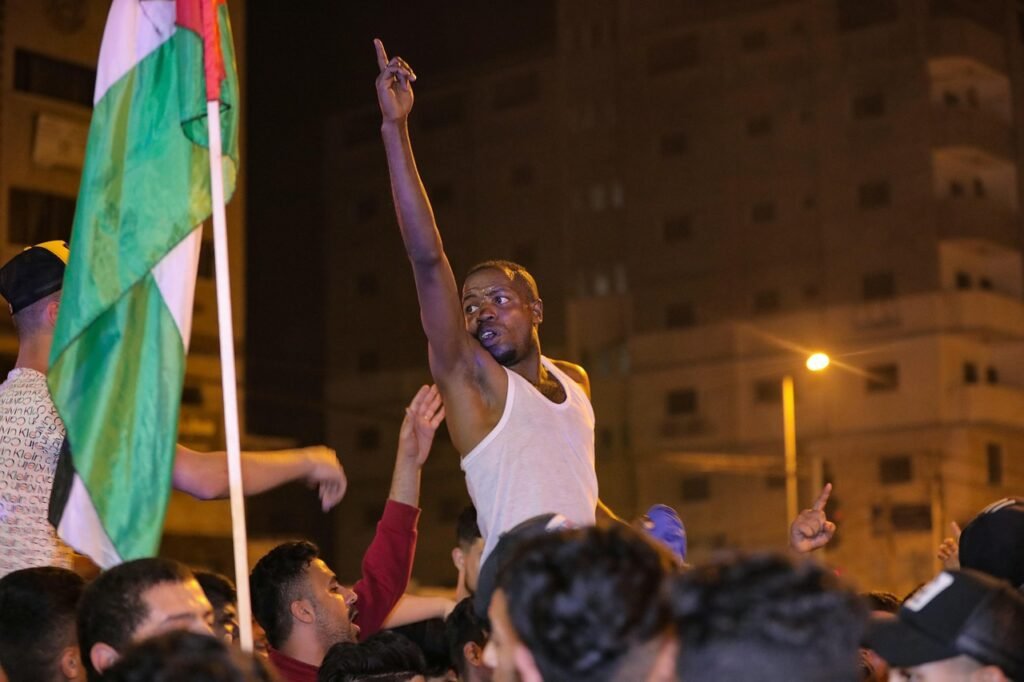
In 1987, the first Intifada began as a grassroots uprising due to frustration among Palestinians. This made people in Gaza and the West Bank, youth, workers, and families, protest Israeli occupation using stones, strikes, and boycotts. This was not just a protest; it was a struggle for dignity.
This made the Intifada capture global attention. Many people around the world felt sympathy for the Palestinians, who fought tanks with slingshots. The resistance grew stronger because of harsh living conditions, land confiscation, restricted movement, and economic struggles, which deepened the crisis.
A Turning Point for Resistance
The First Intifada marked a significant change. Palestinian opposition grew more radical and moved away from the secular PLO reforms. New groups, particularly Islamic organizations, started to emerge, leading to the rise of Hamas.
This wave of defiance transformed the conflict between Israel and Hamas. The strength of the Intifada showed the determination of the Palestinian people, but it also deepened divisions among them. This is important because it helped to establish Hamas, which changed the nature of the conflict.
Palestinian resistance reshaped the situation during the PLO’s formation and the Intifada’s intensity. It turned feelings of despair into a spirit of defiance, making room for new players like Hamas. The struggle for rights and land continues to this day.
The Birth of Hamas in 1987
The Israel-Hamas conflict erupted into a new dawn during the year 1987 after a hot movement emerged out of the flames of the first intifada. Hamas was born when Palestinians rose in unrest, and they redefined the war through daring rebellion. What was it in this group that caused a turning point in the crisis?
A Vision Born in Chaos
The protests against Israeli occupation in Gaza spread the anger in the small alleys of the crowded cities. Charming cleric and the founder of Hamas, Sheikh Ahmed Yassin, used this opportunity to launch the group in 1987. The Islamic Resistance Movement was to be the voice of the fight for the rights of the Palestinians.
Hamas was founded on an aggressive ideology. In its 1988 charter, it demanded an Islamic state in historic Palestine and denied the legitimacy of Israel. This position, based on the suffering of the 1948 Nakba, differentiated Hamas from the secular approach of the PLO.
Fighters and Providers
It was more than militancy that made Hamas win people’s hearts. Other than rocket bombardments and guerrilla warfare, it established schools, clinics, and charities in the impoverished neighbourhoods of Gaza. This combination of warrior and caregiver established its position in the consciousness of Palestinians.
Hamas could bridge gaps by alleviating daily sufferings, as other weak organisations failed to do so. Many depended on food aid, education, and healthcare, making it their lifeline. This mixture of opposition and resistance intensified the crisis between Israel and Hamas, since the latter became loyal.
A New Force in the Crisis
The emergence of Hamas defined a different picture of the conflict. Its raids threatened the security of Israel, and Israel responded to this through revenge attacks, which led to the escalation of violence. At the same time, its increasing popularity met the leadership of the Fatah, which shattered the Palestinian unity.
So, what is so essential that Hamas was born? It had converted the conflict between Israel and Hamas into the battle of ideologies: militant Islamism and the fight of a nation to achieve a state. This critical event preconditioned the further fights in Gaza.
The emergence of Hamas in 1987 was not a flicker, but a flame. Its ambitious goals and steps transformed the crisis between Israel and Hamas, because of which the most significant changes occurred, which we are going to discuss next.
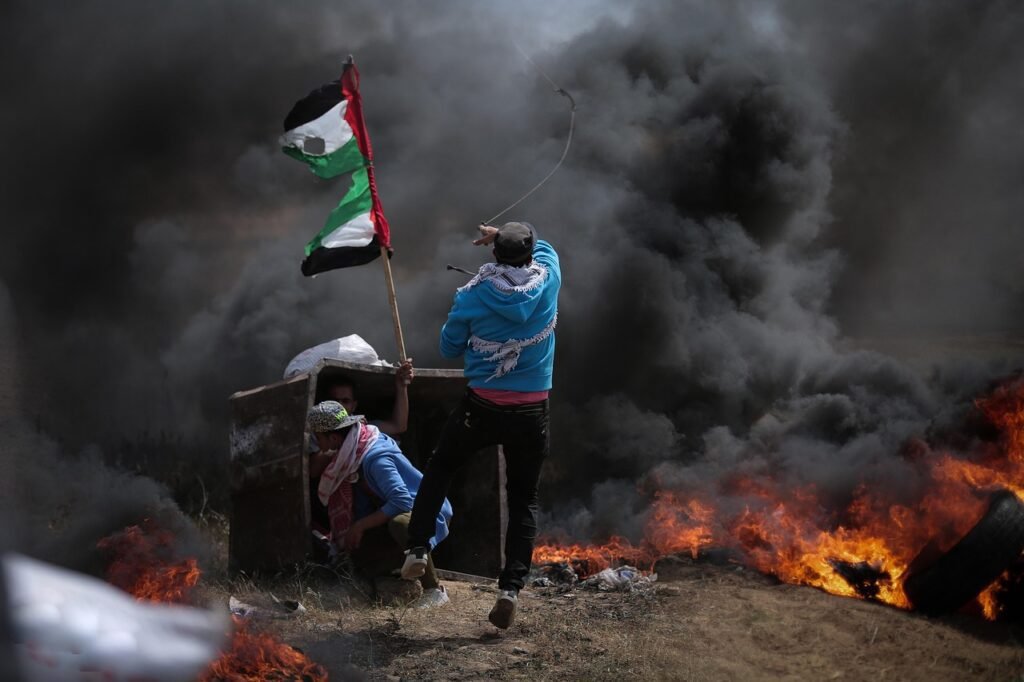
The Gaza Blockade: A Turning Point
Another significant precipitation of the Israel-Hamas conflict was in the year 2006, when it became a turning point that had far-reaching effects. The political emergence of Hamas in the Gaza Strip, which was then followed by a global embargo, worsened the conflict, and it redefined life in the area.
Hamas’s Rise to Power
Surprisingly, Hamas received a majority in the Palestinian legislative election of 2006 because it had an extensive network of social services and a reputation for resisting Israeli occupation. Nevertheless, the success led to the widening of internal conflicts between Palestinians and the other party, Fatah, which also continued to control the West Bank.
In 2007, Gaza was entirely under Hamas control after a short internal battle for power. This change frightened Israel and the rest of the global community because of the unwillingness of Hamas to accept Israel, its tradition of militant strikes, and the fact that several Western nations label it a terrorist organization.
The Blockade Begins
When Hamas took over, Israel and Egypt established a blockade in Gaza in 2007. The intention was to antagonize Hamas and deny it access to arms and military supplies. Nonetheless, the blockade also seriously limited the free movement of people and goods, especially food, medical supplies, fuel, and building materials.
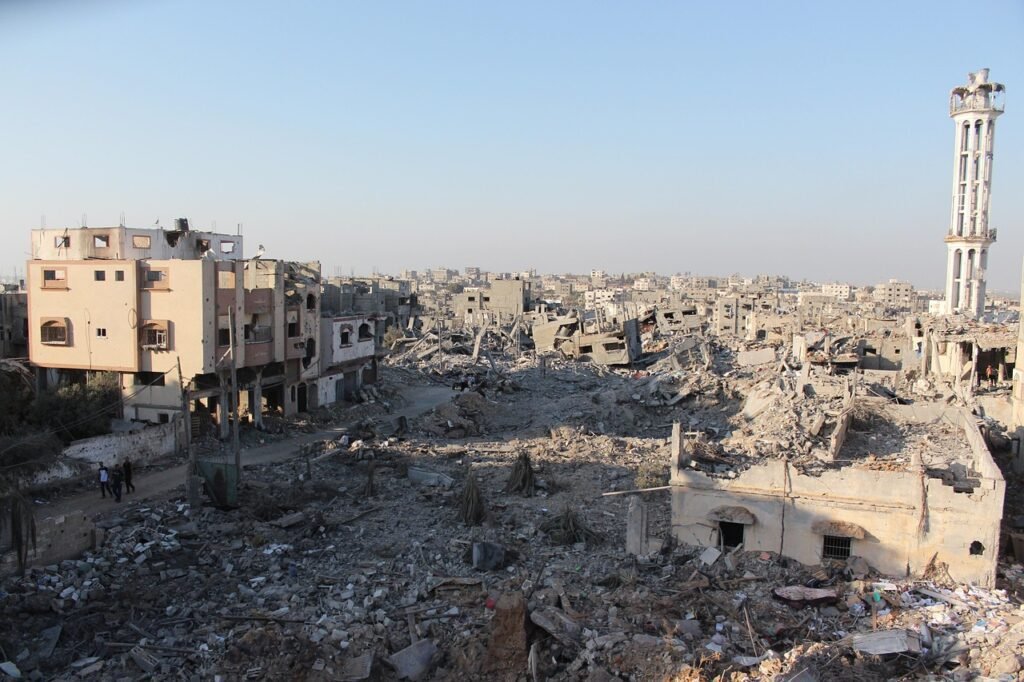
The devastation was economic and humanitarian. Based on the reports of the United Nations, more than 50 per cent of the population of Gaza experienced food insecurity, and the unemployment rate exploded in 2010. The blockade touched almost all spheres of daily routine, such as the availability of healthcare, education, and access to clean water.
A Cycle of Conflict
The blockade led to violence, which recurred. The shooting of Hamas with rockets was countered with the Israeli airstrike, which put civilians in a lethal cycle. The Israel-Hamas crisis rocked the entire world as the suffering in Gaza came into the limelight.
What is the importance of a blockade? It made Gaza a pressure cooker, tightening the Israel-Hamas crisis. The following turning point marked the challenges that lasted throughout the conflict.
Core Issues Fueling the Crisis
The Israel-Hamas conflict is one of the most rooted and explosive conflicts that takes place in the world. Its roots include unaddressed problems of land, identity, governance, and security. The powers of these historical traumas, ideological threats, and international meddling make this solution to peace insurmountably difficult.
Territorial Disputes
According to the center of the conflict is the question of territory. Palestinians demand their independence on the West Bank and East Jerusalem, land that Israel has occupied since the 1967 Six-Day War. In the meantime, Israeli settlements have increased in these areas and have led to massive outcry among the Palestinians and condemnation by the rest of the world.
The land conflict can be traced back to the year 1948, when the Nakba (the expulsion of Palestinians), which resulted in hundreds of thousands of Palestinians being displaced, took place during the foundation of Israel. To date, the borders are not defined and highly disputed, and each side claims the land historically and religiously. This territorial stalemate is still a significant obstacle to peace.
Statehood Vs. Security
Palestinian statehood is one of the main demands of such groups, such as Hamas, which picture an Islamic state of Palestine. Nevertheless, this is contrary to the security concerns of Israel, particularly about the past actions of Hamas, like rocket attacks, border violence against Israel, and the lack of recognition of Israel as a legitimate nation on earth.
Israel asserts that it uses force and security measures such as the Gaza blockade to prevent the attacks. This pattern of violent mistrust perpetuates a status quo situation in which dialogue is complex but meaningful. There is still no balance between Palestinian self-determination and Israeli security.
Hamas versus Diplomacy in the Ideology.
Hamas was founded in 1987 and ascribes to a radical doctrine in their initial 1988 charter document, which included the annihilation of Israel and dismissal of the negotiated resolutions. Despite changes in positions on its part over the past years, the overall position adopted by Hamas continues to refute the diplomatic efforts embraced by the Palestine Liberation Organization (PLO) and the Oslo Accords.
The rift in the Palestinian cause between the resistance-based approach taken by Hamas and the diplomatic approach taken by the PLO has developed an internal division among Palestinians. This schism undermines the hope of a unified front in peace negotiations and negatively impacts the quest for a lasting solution.
External Influences
The latter is also complicated by foreign interference. Hamas is made strong in terms of military options as Iran supports it with its financial and military strengths. The US, on the other hand, is a staunch supporter of Israel and provides massive support in terms of aid and diplomatic support.
Other regional powers, such as Egypt, Qatar, and Turkey, have also attempted to mediate, but their interventions tend to have an overall geopolitical interest. These foreign alliances add to the division levels and lessen the possibility of a neutral ground for peace. The crisis remains globalized, and sometimes it is as much played out in the world arena as it is on the ground.
Conclusion
The Israel-Hamas crisis is a long-standing conflict tied to historical displacement and humiliation. It creates cycles of pain and revenge, marked by the 1948 Nakba and the rise of Hamas from despair. This situation is a tragedy filled with loss, fear, and the need for justice on both sides. Territorial disputes, differing national identities, weak leadership in Palestine, and foreign involvement add to the complications.
The ongoing siege of Gaza and frequent violence show that this issue goes beyond borders; it is about conflicting stories. We need empathy, accountability, and bold diplomacy to resolve this crisis. True peace requires more than a simple ceasefire; it needs us to face historical wounds, recognize each other’s rights, and have open conversations that consider the fears and hopes of both Israelis and Palestinians. Understanding how this crisis developed is crucial for achieving a fair and peaceful future.
About The Author