Introduction
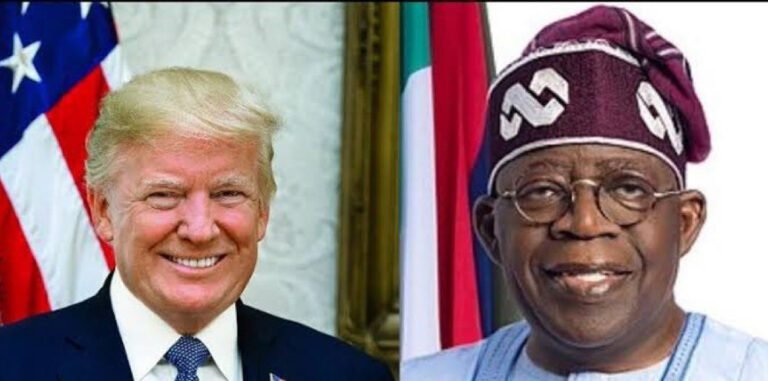
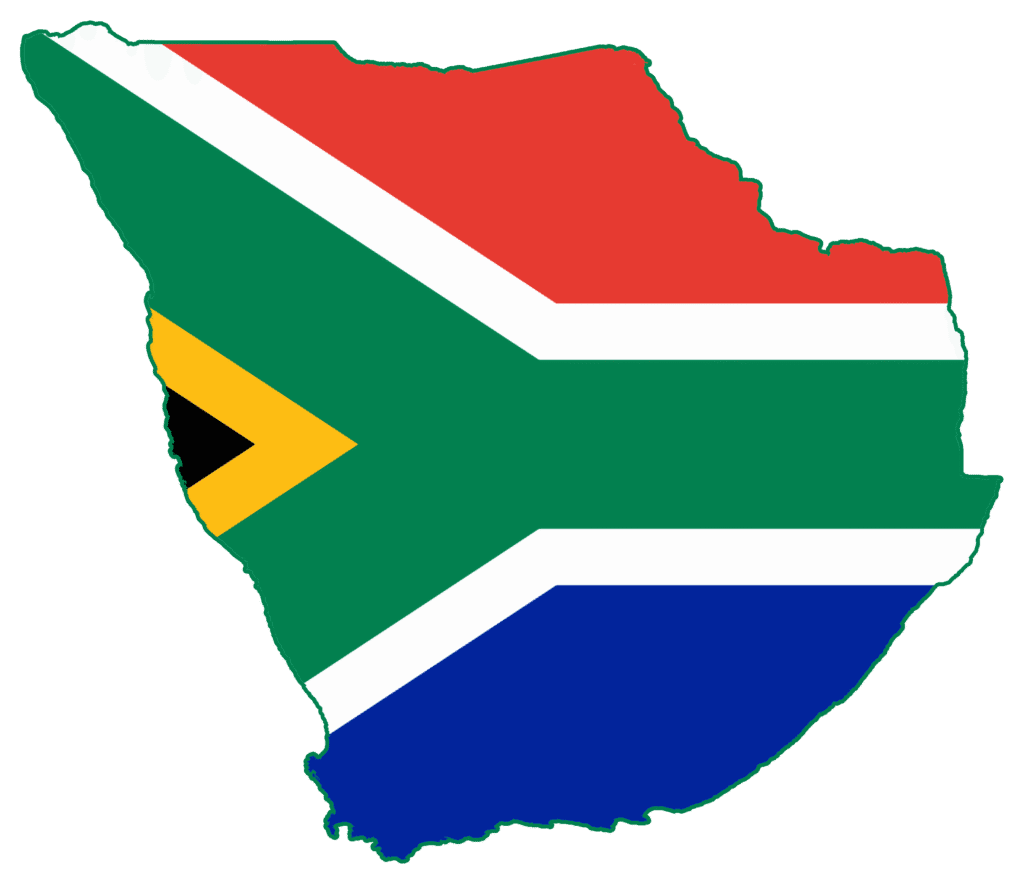
The recent diplomatic conflict between the United States and South Africa started before the 2025 G20 summit. What began as a minor disagreement in Johannesburg turned into a major international issue, making news from Washington to Pretoria. South Africa announced it would not attend the 2026 G20 summit in Miami. This decision, along with Donald Trump’s suspension of financial aid, shocked many diplomats and those following global governance. Trump justified his actions by claiming South Africa was violating the human rights of its white minority and that the South African president was running his mouth, but independent observers have disputed these claims.
The core of the disagreement involves the handover of the G20 presidency, an event that usually goes unnoticed. This year, the United States did not attend the Johannesburg summit, leaving its position empty and creating confusion about the transition. South Africa said it was following standard procedures, while the Trump administration insisted that the rules be followed. What could have been a minor issue turned into a larger conflict, worsening the relationship between the two countries.
This article highlights more than just a broken protocol. It shows how small symbolic actions can have significant political effects, how domestic issues can influence foreign policy, and how the G20 can be disrupted by its powerful members. As the world prepares for Miami in 2026, questions arise about whether this controversy is just a temporary problem or a sign of deeper issues within the G20 system.
What Really Went on at the Johannesburg 2025 G20 Summit.
The frictions that led to the Miami 2026 conflict started months earlier when Donald Trump chose not to attend the 2025 G20 summit in Johannesburg. This decision upset the United States, which had been frustrated with South Africa over various issues, including its foreign policy and ties to China and Russia. Trump’s absence was seen as a political statement rather than just a scheduling issue.
When the summit began, the absence of the American president created an unusual atmosphere. The U.S. had a much lower presence, and the empty seat at the main sessions constantly reminded everyone of the division among the leaders. Other world leaders tried to move forward with the agenda, but it was clear that something important was missing. This would later play a key role in the dispute over the handover of the G20 presidency.
The Handing Over of the G20 Presidency.
During the final session of a G20 summit, the presidency gets handed over to the next host state. This handover is mostly a ceremonial event where a gavel or another symbol is passed. The U.S. was supposed to take over the presidency in 2025, so the handover was meant to happen between South Africa and a U.S. representative. South Africa claims it followed the proper steps for the handover, which took place in front of the U.S. delegation in Johannesburg, even though Trump was not there. From Pretoria’s viewpoint, the ceremony was carried out professionally, with the only difference being the absence of the American president.
However, the Trump administration had a different interpretation. They claimed South Africa did not conduct the handover properly and that the U.S. delegation was ignored. This view gained traction within the American political landscape, leading Trump to publicly assert that South Africa had disrespected the United States on the global stage.
Why the Dispute Escalated.
What should have been a simple procedural event became a major diplomatic issue because both governments viewed it through their own political lenses. In South Africa, it was a regular ritual disrupted by Washington’s absence. For Trump, it was another chance to argue that the U.S. is not treated fairly at international meetings. Once the handover dispute arose, it became a larger conflict. This outcome went beyond protocol and changed how the world perceives G20 membership and America’s role as a host.
What Trump Meant by the Ban: The Arguments, the Politics, and the Backlash.
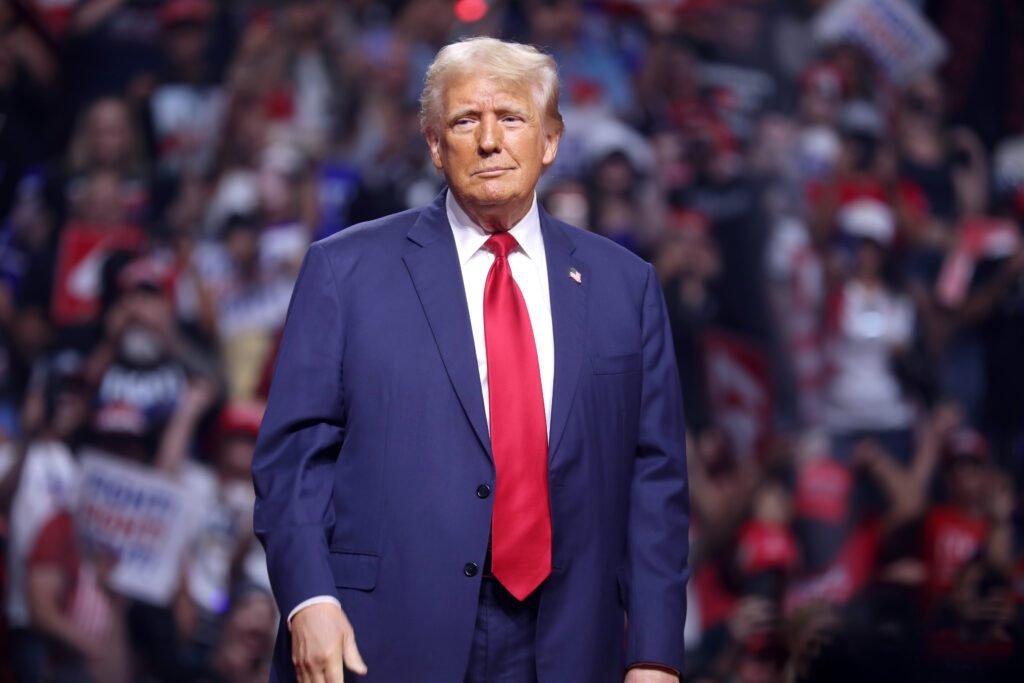
The conflict started when Donald Trump announced that South Africa would not be invited to the 2026 G20 summit in Miami. He also said that the United States would stop giving financial aid and support to South Africa through various development programs. Trump framed this decision as a response to what he called serious human rights abuses in South Africa and how the country handled the G20 presidency handover. This marked a break from the tradition of consensus participation in the G20.
Trump defended the ban by claiming that South Africa is mistreating its white minority, especially Afrikaner communities and commercial farmers. He linked these claims to discussions about land reform and violent crime statistics, suggesting government-facilitated discrimination. While these stories circulate in U.S. conservative politics, independent human rights organizations argue that the issues in South Africa are broader problems related to crime and socioeconomic inequality, not ethnic persecution. However, the administration portrayed these claims as a moral issue, framing the U.S. as a protector of vulnerable people abroad.
The controversy surrounding these Claims by Human rights groups, South African officials, and international observers has challenged the U.S. framing. They point out that, while violent crime is a serious problem in South Africa, it is not directed at any specific group since it affects all communities. Statistics and independent research do not support the idea of a systematic campaign against white citizens. South Africa has affirmed its commitment to the constitutional rights of all races and views Trump’s claims as politically motivated. This clash of perspectives highlighted that U.S. arguments seemed more about domestic politics than an impartial evaluation of human rights.
South Africa Pushes Back
South African President Cyril Ramaphosa was quick to respond to Trump’s announcement, calling it regrettable and noting that South Africa is a member of the G20. Ramaphosa stressed that the nation had adhered to due process when the country hosted the 2025 World Cup in Johannesburg and that the ceremonial handover, even though unconventional and held with the U.S. absent, had been conducted via official channels. Restating South Africa’s independence and its desire to engage in multilateral relations, Ramaphosa sought to reassure the domestic community and the world’s nations that Pretoria would not withdraw from global economic dialogues.
Pretoria Declines to Take a Break in the G20.
Following the controversy, South Africa said it could temporarily withdraw as an active participant in the G20 with a Trump-led U.S. presidency. The government packaged this action to prevent a further diplomatic spiral while still maintaining its institutional privileges as a member. Domestically, the move was perceived as a compromise move- South Africa will not put up with unilateral exclusion. Still, it will be ready to collaborate with other states when the situation calms down. This strategy can be seen as Pretoria’s general policy: not to confront its opponents directly on the international stage, but to remain a credible entity there.
International Reactions
Other G20 members responded with some trepidation, yet prominently. Although many nations did not publicly take sides, several analysts noted the potential consequences for the G20’s consensus-based operations. It was alarming to the observers that the unilateral move by the U.S. would lead to a precedent where powerful members would take advantage of the invitation control to manipulate the behavior of other countries. Other officials in Europe and Africa quietly adopted South Africa’s views. They noted that the G20 functions most effectively when all members are treated equally, and conflicts are resolved through dialogue, not exclusion.
Is Trump Lawfully Authorized to prohibit a member of the G20?
To grasp the possibility of Trump banning South Africa, it is essential to discuss how the G20 operates. In contrast to the United Nations or the World Bank, the G20 is not an organization with a treaty-based structure and legal provisions. It is an informal group of the world’s largest economies intended to reach consensus without imposing rules. The membership is established on historical precedent and mutual acceptance, rather than codified rules that enable one country to withdraw from another unilaterally. This implies that, technically, there is no legal framework under which a host country can block a fellow member.
Hosting vs. Controlling
Although there is no binding rulebook for the G20, the host country does possess some procedural powers, namely the ability to send invitations and handle logistics. In practice, this puts the U.S. in a strong bargaining position to host the 2026 summit in Miami. Nonetheless, this is not institutional leverage but political leverage. Other members might, for example, diplomatically protest the exclusion, threaten to boycott sessions, or not join initiatives that shun South Africa. Basically, the host can manipulate attendance, but he cannot defy membership regulations.
Precedents and the threat of a new normal.
This action by the Trump administration is unprecedented in the history of the G20. This has the potential to be a turning point, as no former host has ever publicly barred a member on the grounds of a political or human rights argument. With an unchallenged status, it may encourage other hosts to treat the invitation as part of the political agenda, subverting the credibility of the G20 and its decision-making processes based on consensus. Analysts caution that it may accelerate the disintegration of global economic governance, with regional blocs and other forums (such as BRICS+ or the African Union) gaining power as nations seek a balance outside U.S.-dominated systems.
Human Rights Dimension: Facts, Politics or Both?
The essence of his argument on banning the South Africans by Trump is based on alleged abuses of human rights of the white minority and the Afrikaner farmers. Independent human rights organizations have always disputed this story. South Africa has high rates of crime in all the communities, but the campaigns against white citizens are not state-sanctioned. According to reports provided by NGOs and international monitors, the attacks on farms are indeed grave. Still, they are part of the larger phenomenon of violent crime and not racially based persecution. The constitution of South Africa ensures equality for every citizen, which supports the position that Trump is overstating the case.
The U.S. Domestic Politics and its effect on the story.
The framing that Trump made is not independent of domestic politics. Appealing to the white South African farmers’ interests, some sections of his populace, especially those who would be attracted to white victimhood stories. These assertions were magnified by U.S. conservative media and political networks and gained global prominence. When Trump connects foreign policy decision-making, such as the ban on South Africa attending the G20 summit, to domestic ideological scripts, he transforms a procedural conflict into a politically colored human rights challenge, despite the realities on the ground in South Africa.
Reason why the Narrative Found Limited Global Support.
Other countries have been very cautious or neutral, even though the U.S. had insisted. Members of the G20 in Europe, Africa, and Asia have failed to support the state-rated persecution in South Africa. Many observers noted that punitive action unilaterally imposed on a member country on the grounds of controversial claims would be detrimental to the G20’s collaborative nature. This non-global approval underscores that Trump’s human rights agenda is at the center of U.S. messaging but lacks global appeal.
This is an Implication for International Relations in the Future.
The debate over South Africa’s exclusion has tainted the 2026 G20 summit in Miami. There are still questions about whether other member states will attend and how the non-attendance of a full member would affect the legitimacy of the discussions. Other analysts caution that excluding one of the G20 members would set a perilous precedent and delegitimize the group’s consensus. When the rest of the world opposes the U.S. move, the outcome may be a disjointed summit, making it hard to reach agreements on global economic policies, climate action, and trade.
Future of U.S.-South Africa Relations
The conflict has also deteriorated the bilateral relations between Washington and Pretoria. The suspension of U.S. financial assistance, along with the withdrawal of an invitation to the summit, may affect trade, investment, and security cooperation. South Africa can also diversify its relationships and establish stronger ties with China, the European Union, and other emerging economies to reduce its reliance on the United States. On the other hand, the U.S. risks diplomatic isolation at the G20 if other members believe the ban was an overreaction.
The Bigger Picture: Is the G20 Going to Get Politicized?
In addition to the bilateral conflict, the event illustrates a broader danger: the politicization of the G20. The G20 is a traditional forum that operates by consensus, and mutual trust is an essential aspect among its members. The application of procedural ambiguities to advance the dominant country’s political goals calls into question the group’s basis. The repetition of unilateral steps may prompt attempts by alternative blocs, such as BRICS+ or the African Union, to take a more active role in world politics, potentially shifting the balance of global governance, observers note. Otherwise, the Miami 2026 controversy can become the beginning of a more atomized and politicized G20 era.
Conclusion
The handover issue with the G20 presidency shows how a small ritual can lead to a major diplomatic crisis. What started as a disagreement about the handover of power at the Johannesburg 2025 summit has escalated into a serious problem. South Africa is now uninvited to the Miami 2026 summit, U.S. financial aid has been frozen, and tensions are rising between two key global players.
This situation highlights the weakness of informal international groups like the G20. Without clear rules and with the host country controlling invitations, political interference can disrupt agreements. Additionally, using human rights discussions for punitive measures raises questions about how domestic politics can influence international relations.
The handover controversy also serves as a warning as the world prepares for Miami 2026. While symbols in diplomacy matter, so do multilateral principles. How this conflict is resolved could impact U.S. relations with South Africa and may set a precedent for how powerful nations influence global forums. Ultimately, the credibility of the G20 depends on member states’ ability to negotiate and collaborate instead of letting tensions grow.
About The Author