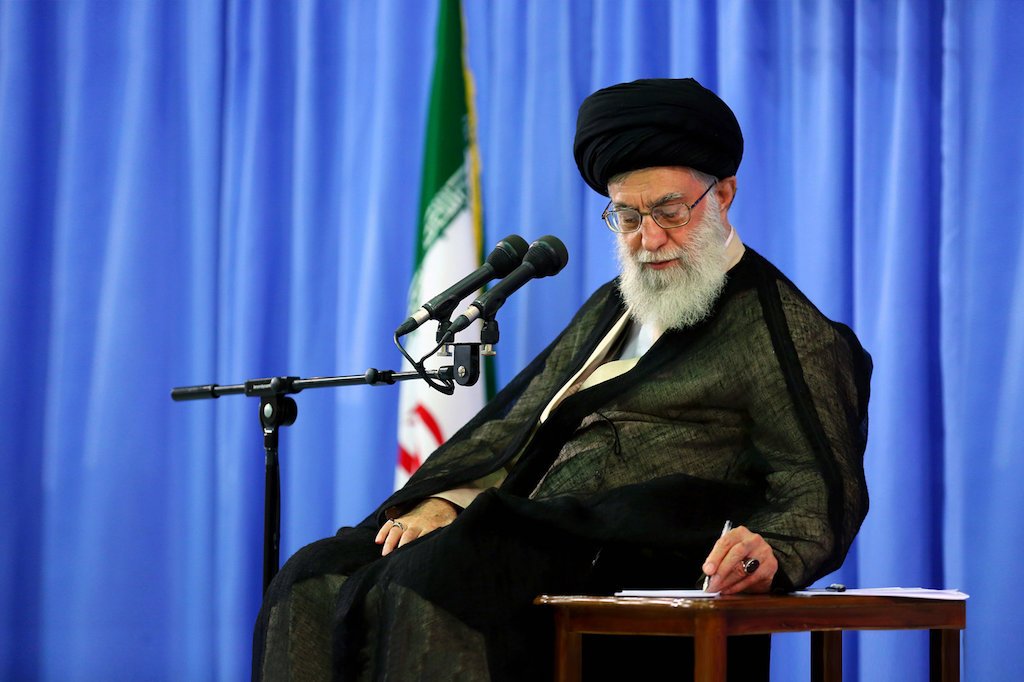
Khamenei Killed: Who Will Lead Iran as US-Israeli Strikes Continue?
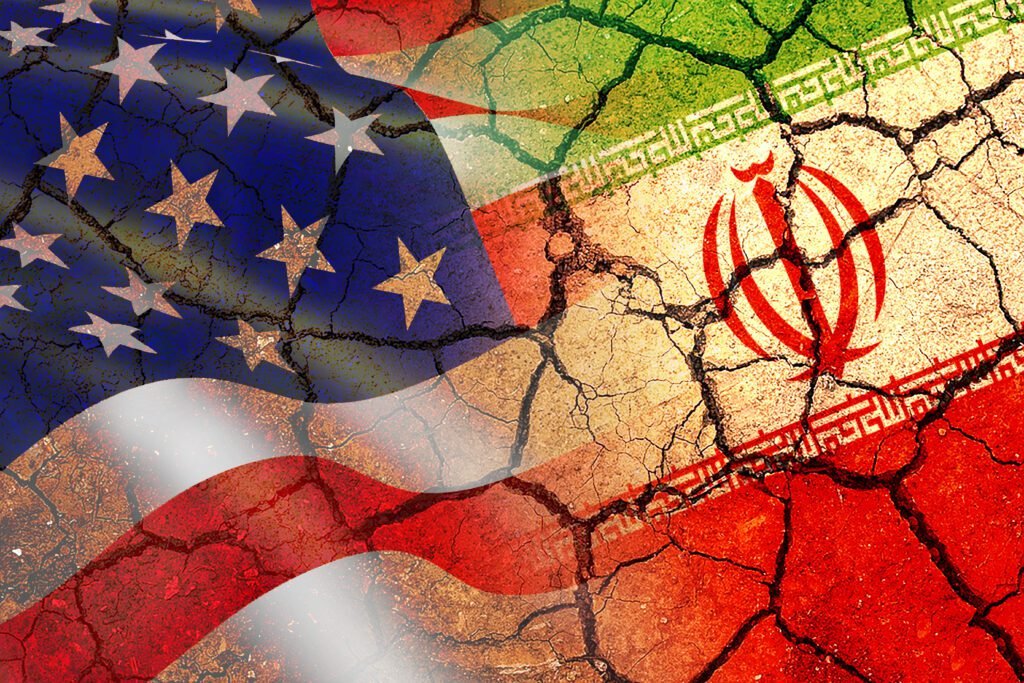
The reported killing of Iran’s Supreme Leader has created one of the most dangerous leadership crises in the Middle East in decades. On February 28, 2026, a large military operation involving the U.S. and Israel resulted in the death of Ayatollah Ali Khamenei. The development quickly sparked global debate around a critical question: after Khamenei was killed, who would lead Iran next? Khamenei was at the heart of the Iranian political and religious power system for nearly 37 years. As the Supreme Leader, he was the head of the military and foreign policy and the ultimate decision-maker on the country’s most significant choices.
However, his death happened during coordinated military actions called Operation Epic Fury by the U.S. and Operation Roaring Lion by Israel. This not only removed Iran’s Supreme Leader but also created a leadership crisis by leaving many top officials and military leaders without guidance. The country was already facing airstrikes and rising tensions in the region.
After several debunked reports, the Iranian state media announced Khamenei’s death on March 1, which led to 40 days of national mourning, while some sources report that a large number are rejoicing with the death of Ayatollah Khamenei. Despite ongoing military attacks, the Iranian regime quickly began processes for choosing a new leader.
Now the key geopolitical question remains: After Khamenei was killed, who will lead Iran next, and can the Islamic Republic survive this major blow without falling apart?
The Decapitation Strike: How Iran’s Supreme Leader Khamenei was Killed
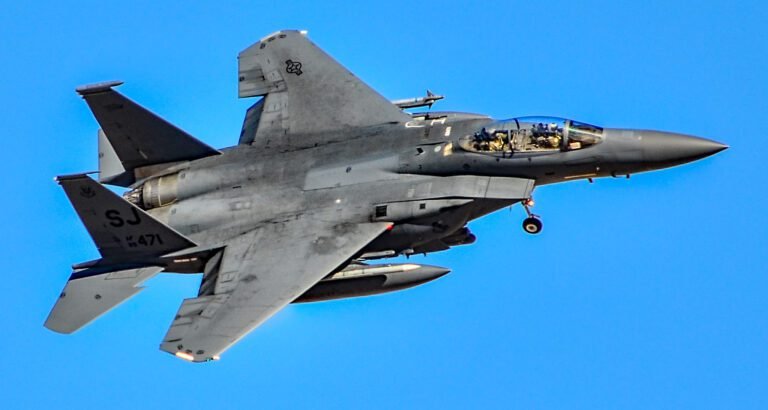
Reports from early March 2026 say that a military operation started on the morning of February 28. Around 200 Israeli fighter jets, including F-35s, took part in this operation alongside U.S. Tomahawk cruise missiles, drones, and intelligence support.
The targets of the attack included:
- Missile manufacturing plants
- Naval installations
- Nuclear facilities
- IRGC command centers
- Senior leadership compounds
The hardest hit was the Beit Rahbari facility in Tehran, which is Khamenei’s residence and office. They used bunker-buster missiles in parts of the complex designed for strong defense.
Reports indicate that the 86-year-old was present at the meeting with several political and military leaders. Intelligence agencies, which include the CIA and the Mossad, had reportedly monitored his movements for months and had obtained intelligence that he would attend the gathering. However, after the strike, the alleged casualties included:
- Some of Khamenei’s immediate family members
- Senior IRGC commanders
- The defense minister
- High officials of national security
- Long-term supporters like Ali Asghar Hejazi
The first wave of the strike reportedly killed between 40 and 50 high-ranking individuals. After the first operation, U.S. President Donald Trump called the operation a decisive action against what he described as the Iranian threat of missiles and nuclear weapons. Also, Israeli Prime Minister Benjamin Netanyahu viewed the strike as neutralizing a major threat in the region.
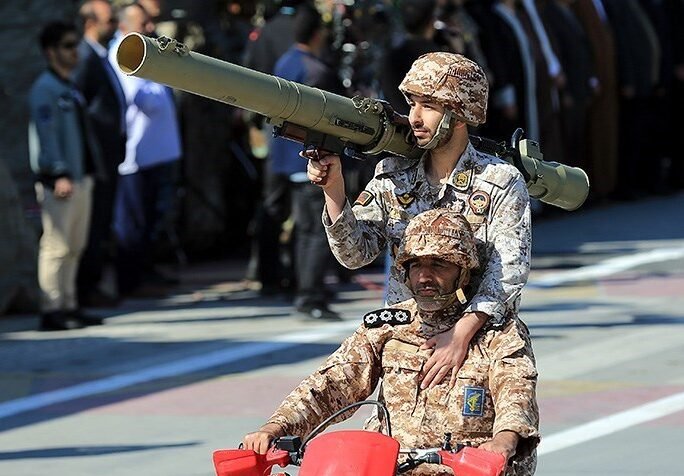
However, the Iranian regime retaliated quickly by launching missile and drone attacks, similar to past ones from a group called True Promise. These strikes hit Israel, U.S. bases, and various places in the Gulf, affecting areas around Beit Shemesh in Israel and locations in the UAE, Saudi Arabia, Qatar, Bahrain, Kuwait, and Iraq. The U.S. Central Command confirmed there were 6 American casualties.
Nevertheless, Israel continues to carry out airstrikes on Tehran, while Iran has threatened to close the Strait of Hormuz, raising concerns in global oil markets.
Iran’s Succession System: Designed for Survival
Even though the strike is significant, Iran’s political system can handle the loss of its leader. Article 111 of the 1979 Constitution states that if the Supreme Leader dies, resigns, or becomes incapacitated, a temporary leadership council will take over until the Assembly of Experts selects a new leader.
On March 1, it was reported that this interim council was formed and includes the following members:
- President Masoud Pezeshkian
- Chief Justice Gholam-Hossein Mohseni-Ejei
- Ayatollah Alireza Arafi, a senior cleric in the Guardian Council.
This setup aims to prevent the system from failing. At the same time, Brig. Gen. Ahmad Vahidi was promoted to head the IRGC, thereby helping maintain continuity of military leadership. Veteran politician Ali Larijani addressed the nation, urging unity and presenting the crisis as a critical moment.
Many people believe that the system revolves around Khamenei himself, but power in Iran is more spread out than it seems. The IRGC, clerical networks, intelligence agencies, and other groups work independently. This spread of power could be important now.
The Assembly of Experts: Who Chooses the Next Supreme Leader?
The constitutional authority to appoint and, in theory, remove the Supreme Leader resides with the Assembly of Experts, which is composed of 88 clerics elected to serve eight-year terms.
Under normal circumstances, the Assembly would follow these steps:
- Convene in a closed session
- Screen qualified clerical applicants
- Debate the qualifications of candidates
- Conduct a vote
However, the current security situation complicates this schedule. There have been follow-up strikes on some facilities associated with the Assembly, although this has not been confirmed.
It is well-known that Khamenei had contingency plans for succession. Unfortunately, some advisors who were supposed to be involved in this planning have also been killed, adding to the uncertainty surrounding the succession process. This ambiguity makes the procedures for choosing a successor even less clear.
Potential Successors: Contenders in a Fractured Landscape
There is currently no clear leader within the government. Several names are being discussed in diplomatic and intelligence circles:
- Ayatollah Alireza Arafi is one member of the interim council and a senior cleric with significant influence in the Qom seminaries. Also, his presence suggests continuity within the clerical system, and he is viewed as ideologically right-wing.
- Mojtaba Khamenei is the late Khamenei’s son, who is 56 years old and a mid-level cleric closely associated with the Islamic Revolutionary Guard Corps (IRGC). There have long been rumors about his potential succession. However, hereditary succession contradicts the Islamic Republic’s anti-monarchical revolutionary principles, making his candidacy controversial.
- Also, Ali Larijani is an experienced politician and former nuclear negotiator. While he aligns with hardline institutions, he is considered pragmatic and capable of negotiating deals among various factions.
- Gholam-Hossein Mohseni-Ejei is currently the judiciary chief and a prominent figure within Iran’s security establishment; he possesses extensive knowledge of the intelligence sector, particularly insights into the security-hardline factions.
- Mohammad Bagher Ghalibaf is the Speaker of Parliament with a background in the IRGC and significant experience.
Other names mentioned include Hassan Khomeini and Mohammad-Mahdi Mirbagheri. Given the conditions of war, candidates aligned with security agencies may be favored over theological leaders. Before the conflict, certain intelligence assessments predicted that the IRGC’s influence would play a decisive role in succession.
Resilience of Regimes: Crisis or Stabilization?
However, external observers are divided on the implications of Khamenei’s assassination. Some argue that it represents a critical blow to the regime’s stability, while others believe the Islamic Republic is resilient.
In the short term, the situation suggests a push for reform rather than outright dissolution. Key points supporting this view include:
- The IRGC (Islamic Revolutionary Guard Corps) command remains functional.
- Retaliation protocols had already been pre-delegated.
- Security agencies continue to crack down on unrest.
- State institutions are still operational.
Iran has survived significant challenges in the past, including historic shocks, mass protests, international sanctions, targeted assassinations, and economic crises. However, long-term risks remain high, including:
- Economic deterioration
- Persistent aerial strikes
- Public outrage over war casualties
- Fragmentation among the elite
Unless there is a concerted effort or a defection by influential elites, rapid regime change seems unlikely. Air power alone is rarely effective at dismantling deeply entrenched systems. Additionally, some analysts warn that Iran might become more militarized, evolving into a garrison state where security institutions hold even greater power.
Regional and International Consequences
The change in leadership occurs during a time of war. If a hardline successor assumes power, we can expect a heightened confrontation with Israel and the United States. Conversely, a more pragmatic leader may seek to de-escalate tensions to stabilize the nation.
The implications extend beyond Iran:
- Gulf states face direct threats to their security.
- Groups like Hezbollah and other local proxies may become more aggressive.
- Oil markets are experiencing volatility.
- Damage to nuclear infrastructure raises concerns about nuclear proliferation.
The United Nations has called for caution, yet there remains a significant risk of a broader regional conflict.
What Comes Next?
With Khamenei killed and during the ongoing 40-day mourning period, Iran’s future depends on three main factors:
- The unity of the interim leadership council
- The effectiveness of the Assembly of Experts in making decisions.
- The direction of military escalation.
The rigid and cautious approach that defined Khamenei’s 40 years of leadership is coming to a violent end. It remains uncertain whether this moment marks the beginning of significant change or a shift toward full militarization. For now, the question of who will lead Iran is not just Iran’s problem; it is one of the most consequential uncertainties facing the entire world.
About The Author