Inside the Daring US Rescue Mission That Saved a Downed Airman Deep Inside Iran 2026
On April 6, 2026, a U.S. special operations force successfully executed a mission to rescue a wounded American airman who was stranded in Iranian territory following the downing of a fighter jet. A daring U.S. rescue mission deep inside Iranian territory has captured global attention after special operations forces extracted a wounded airman behind enemy lines. This operation highlighted both the precision of modern military tactics and the inherent risks involved in such high-stakes missions.
The operation, which was carried out under intense pressure and active search operations by Iranian forces, underlines both the complexity of modern war and the military concept of retrieving people by any means. Although US officials have framed the operation as a major success, Iranian accounts offer a different explanation, reflecting the dual narratives that often accompany such events, which this episode will delve into.
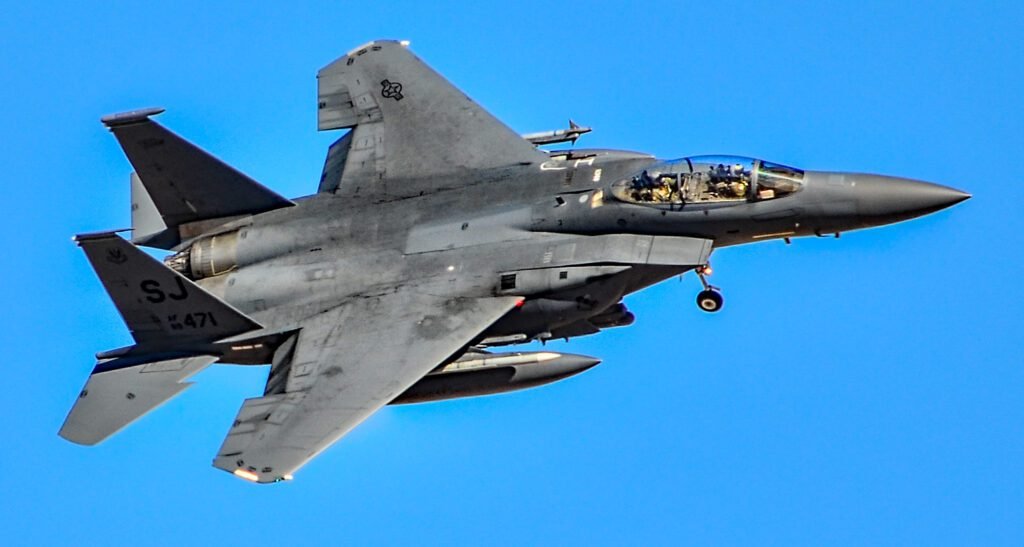
How the F-15E Was Shot Down in Iran
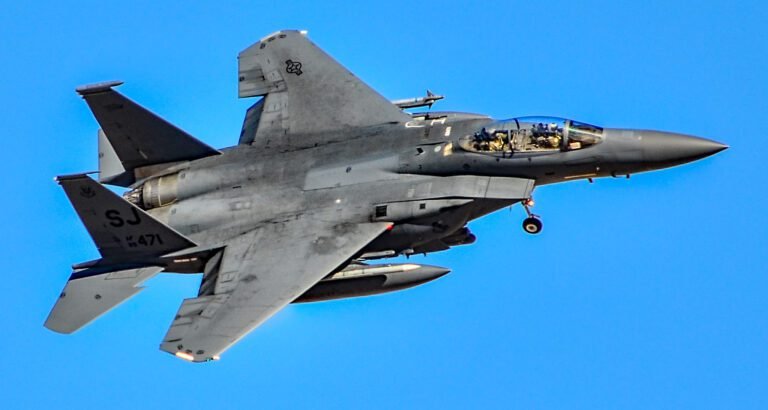
On April 4, 2026, a major and provocative military event occurred, with the United Kingdom involved after an American F-15E Strike Eagle carried out a strike. This aircraft was taken off the Royal Air Force base at Lakenheath and flew over southwestern Iran, specifically around the province of Isfahan. The aircraft was fired upon by the Iranian air defense system, which put the crews of the aircraft in a grave situation during the operation.
The report shows that both the pilot and the weapons systems officer managed to eject from the plane during the commotion. The two, however, became separated due to the severe winds during their descent. The pilot landed safely and was picked up by rescue teams a few hours later. The weapons systems officer had a far more dangerous situation, though.
He descended into the rugged, difficult terrain of the Zagros Mountains and landed at an elevation of about 7,000 feet. The terrible circumstances of this environment, along with injuries during the ejection, had severely impacted his mobility. The officer lacked the necessary equipment, so all he had was a handgun and some basic survival gear, which further complicated his survival.
His health condition and the hazardous nature of the terrain were major hurdles to his recovery and safe extraction as he struggled through the rough terrain. The event demonstrated the intricacies and risks of military operations, especially in geographically challenging areas and in the face of the enemy’s defensive mechanisms.
Survival in Hostile Terrain
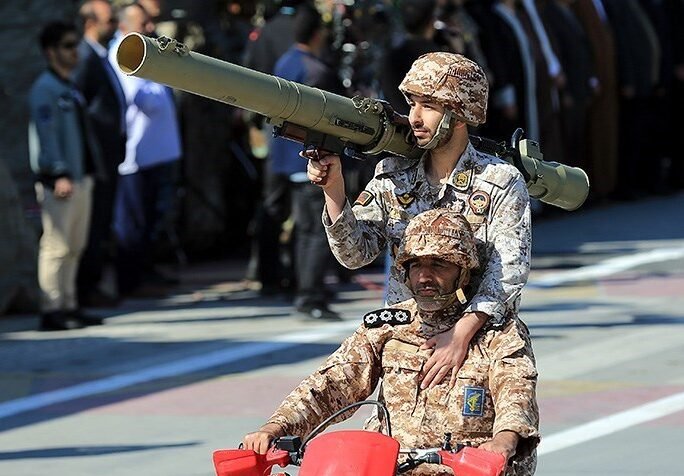
Soon, the Iranian troops went on a search. It was reported that Revolutionary Guard units, as well as the local armed groups, were put on alert, with incentives being allegedly provided to capture the downed officer.
To evade, the airman used Survival, Evasion, Resistance, and Escape (SERE) training. He hid in a rocky area, did what he could to heal his wounds, and proceeded with caution so as not to be noticed. Communication was kept to a minimum. His emergency beacon was minimal to avoid exposing his location, although it also helped provide US forces with some updates.
The environment was also threatening. The Zagros mountains are also steep-sided, with sparse cover, making movement and search hazardous. The officer spent 24 to 48 hours confined between the desire to remain hidden and the need to stay in contact.
Intelligence Role in the U.S. Rescue Mission Iran 2026
The United States intelligence community played a very important role in supporting the stranded airman. The key to this operation was an elaborate game of deception by the Central Intelligence Agency (CIA). This action entailed the release of false news to the Iranian military personnel to imply that the airman had been found and had consequently moved to a new location. Through the successful establishment of such a fake story, the CIA sought to interfere with the continuing search operation by the Iranian government to give the airman a good time to avoid being caught.
These efforts were coupled with the fact that the airmen had poor communication devices of their own, which were key to their survival. With a minimal capability to transmit and receive short messages, he could obtain the necessary situational awareness of his surroundings and the dynamic operational environment. The information proved pivotal, as it was used to devise diversion strategies to deceive potential chasers and to help develop a successful escape plan. This coordination of these activities between the intelligence agencies and the airman depicted the value of timely information and tactical deception in such a high-stakes situation.
Planning the U.S. Rescue Mission Iran 2026
The decision to launch a massive U.S. rescue mission in Iran highlighted the core tenets of U.S. military doctrine, which place great value on the recovery and protection of suffering personnel. This operation entailed a well-coordinated effort by a wide range of military branches and agencies, such as the United States Air Force, Army Special Operations, the Naval Special Forces, and various intelligence agencies, to ensure a comprehensive and unified approach.
The operation was of unparalleled scale, and an operational arrangement of more than 150 aircraft was strategic. This fleet was magnificent and consisted of various aerial resources, including advanced fighter jets capable of air-superiority missions, long-range strike bombers, aerial refueling tankers to extend their range, and dedicated rescue platforms to recover personnel.
The operation was urgently needed for several reasons. The airman’s distant position was quite challenging and required careful planning and execution. Also, the availability of Iranian air defense systems increased the operation’s complexity and risk, and a well-developed method to address any threats was required. Moreover, it was feared that the situation might involve tricks or ambushes to surprise rescue troops.
Considering these, the key was to acquire the right intelligence. Strict review of all intelligence reports was also essential before the deployment commenced, as it would determine the mission’s success and enhance the safety of the recovery team and the people they targeted. This comprehensive preparation was critical in reducing risks and ensuring that the ambitious mission could be accomplished with the utmost efficiency and effectiveness.
Execution: How the Rescue Mission Unfolded
The rescue operation was performed on the morning of April 6. About 100 special operations forces were deployed into Iranian soil by MC-130 airplanes. At the point of landing, teams traversed challenging terrain to reach the airman.
Things went smoothly until the first insertion, but then things went amiss. Two MC-130 planes experienced mechanical problems and were forced to land on an improvised airstrip. As daylight approached, the risk of detection increased, raising concerns about the mission’s overall safety.
Nevertheless, extraction was ongoing. Personnel were evacuated using smaller aircraft that could land on short, rough runways. Further aid provisions involved e-warfare to interfere with the Iranian communications and targeted attacks on infrastructure to slow down possible reinforcements.
To avoid the possibility of the sensitive equipment falling into the hands of the Iranian forces, US troops dismantled the damaged aircraft and several helicopters before leaving the country. All the staff, including the injured airman, were evacuated to Kuwait for medical care. He will have a complete recovery.
Iranian Response to the U.S. Rescue Mission in Iran
There is another version of the events provided by Iranian officials. The state media reported that aspects of the operation had been interfered with and said that several US aircraft were destroyed or damaged. There were also reports that one of the US drones was shot down during the search operations.
Also, the Iranian sources focused on the contribution of their air defense systems to the downing of the original F-15E. Such assertions seem intended to bolster national accounts of military competence and toughness.
Independent sources do not verify these accounts either, which is indicative of a larger problem in evaluating information amid active conflict. The event demonstrates that both parties are interested in influencing public opinion as well as military outcomes.
Wider Conflict and Strategic Implications
The rescue operation was conducted amid a broader, escalating conflict. Missile attacks by Iran, including attacks on Israeli cities, have been responded to by the continued attacks by the US and Israeli forces on Iranian targets. On both sides, there are civilian massacres.
One of the major areas of conflict is the Strait of Hormuz, a key global energy route. Iran’s successful blockade has also led to higher oil prices and economic pressure worldwide.
The US leadership has also made threats to close the strait and to open it as part of wider negotiations. Iran has, however, opposed temporary ceasefires but demanded more comprehensive agreements.
Operational Risks and Lessons
There are several considerations the mission has highlighted regarding contemporary military operations. The engineering malfunctions at critical points nearly ruined the entire project and underscored the unpredictability of complex missions. The destruction of advanced equipment to prevent its capture highlights the financial and technological interests at stake.
This operation also supports the continued relevance of ground forces where air power is inadequate. The level of coordination among various units and agencies was critical to the mission’s success.
On a human scale, the airman’s ability to survive in severe conditions underscores the importance of intensive training. The fact that they were ready to invest considerable resources in the recovery of a single person shows that personnel recovery is prioritized.
Conclusion
A good example of a high-risk special operations in a hostile setting is the successful rescue effort of a downed US airman deep into Iranian territory. It also exhibits successful coordination, flexibility, and focus under pressure.
But this success comes amid a larger struggle marked by massive uncertainty and human casualties. Although the mission could provide a short-term boost of morale and strategic signaling, it will not address the underlying tensions that fuel the conflict.
With diplomatic processes ongoing and military operations underway, things remain in limbo. The rescue will likely serve as an example of contemporary personnel recovery, yet also as a lesson in the dangers of modern warfare and the difficulties of establishing stability in the region.
About The Author